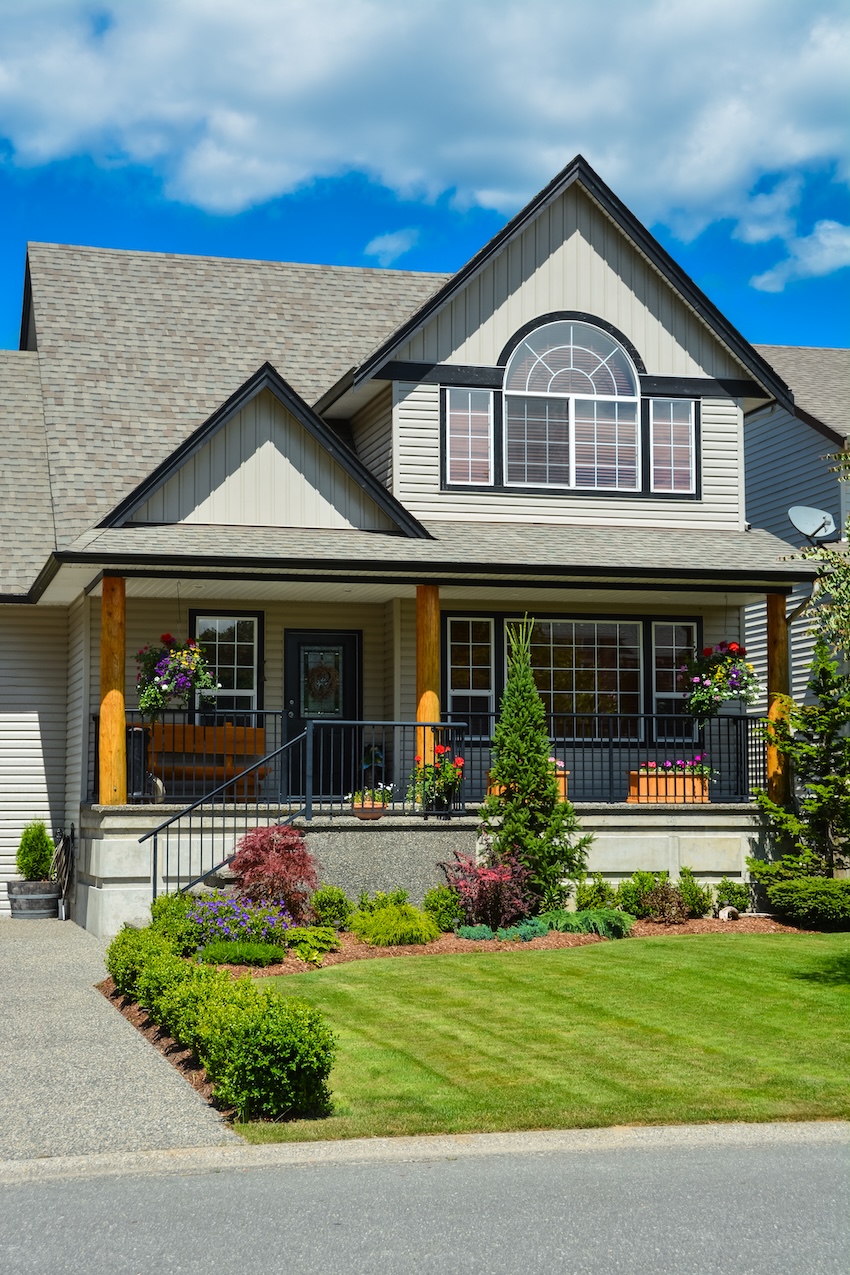
You moved into your new home and everything looked great. The paint was fresh, the systems were running, and the builder handed you a warranty document covering defects for the first year.
Then the year passed and you never used it.
For most new construction buyers, that one-year builder warranty expires quietly. No inspection. No punchlist. No documentation of issues that developed after closing. And once it's gone, every repair that should have been the builder's responsibility becomes yours.
New homes need time to settle. Literally. The framing dries out, the foundation adjusts to soil conditions, and the mechanical systems run under real-world load for the first time. Issues that weren't visible on closing day often emerge over the first 6 to 12 months.
Settlement cracks appear as the home shifts and the framing lumber shrinks. Some are cosmetic. Some indicate structural concerns that the builder should address under warranty.
Drainage problems become apparent after a full season of rain. Grading that looked fine in July might be directing water toward the foundation by October.
HVAC performance issues surface when the system has to work hard. A furnace that ran fine during a mild fall might struggle during a January cold snap in Northeast Ohio.
Nail pops and drywall cracks are normal as the home settles, but they should be addressed by the builder while the warranty is active. Left alone, they become the homeowner's problem at 13 months.
We inspect the entire property the same way we would any home, but we're specifically looking for issues that have developed since construction was completed. The result is a detailed report that serves as your punchlist for the builder. You submit it before the warranty deadline, the builder addresses it, and you're protected.
Schedule this inspection no later than month 11. You need time to submit your findings to the builder and get repairs completed before the 12-month mark. Most builders require written notice of defects before the warranty expiration date.
If you bought a new construction home in the Akron, Canton, or Cleveland area within the last year, your warranty clock is running. Contact Front Line to schedule your 11-month warranty inspection before it's too late.
Serving Cleveland, Akron, Canton, Medina, Strongsville, and communities throughout Northeast Ohio, our experienced inspectors deliver clarity, honesty, and timely reports so you can confidently move forward with your real estate decisions.


