Northeast Ohio has become one of the most popular markets in the country for rental property investors, and for good reason. Purchase prices are reasonable, rents are steady, and there's deep demand across Akron, Cleveland, Canton, and the surrounding suburbs.
But we inspect a lot of investment properties, and we see the same story over and over: the numbers worked perfectly until the house didn't. A $1,400-a-month rental stops being a deal when it needs a $12,000 sewer line replacement in year one.
Buying a rental is underwriting, not house hunting. Here's what that means for your inspection.
A homebuyer cares whether the house feels right. An investor should care about the remaining life of the roof, furnace, water heater, and electrical service — because those are the line items that wipe out a year of cash flow. A good inspection report gives you approximate ages and conditions on all of them, which is exactly what you need to model your capital expenses honestly.
Much of the housing stock in Akron and Cleveland was built before 1960, which means clay sewer laterals that are now decades past their design life. Roots, offsets, and bellies are extremely common. A sewer scope costs a fraction of one month's rent. A collapsed lateral costs a year of profit. We consider a scope non-negotiable on older rental stock.
Older Northeast Ohio homes frequently still carry outdated wiring or undersized electrical service. Beyond the safety issue, it matters for your insurance — many carriers surcharge or decline properties with knob-and-tube wiring. Find out before you close, not when you're shopping for a landlord policy.
Basements, roofs, grading, and gutters tell a connected story about how water moves around the property. Tenants don't report slow leaks the way owner-occupants do, so small moisture problems in a rental tend to run longer and cost more. Pay attention to every moisture note in the report.
A lot of our investor clients never set foot in the property before closing. That's workable — but only if your inspection report is thorough enough to stand in for a personal visit. You want clear photos, honest condition assessments, and an inspector you can actually get on the phone to talk through the findings.
If your strategy includes housing voucher tenants, remember that the property will need to pass its own housing quality inspection before you can place a tenant. Knowing the likely failure points in advance — handrails, peeling paint, window operation, GFCI protection — lets you fix them on your schedule instead of losing weeks of rent waiting on a re-inspection.
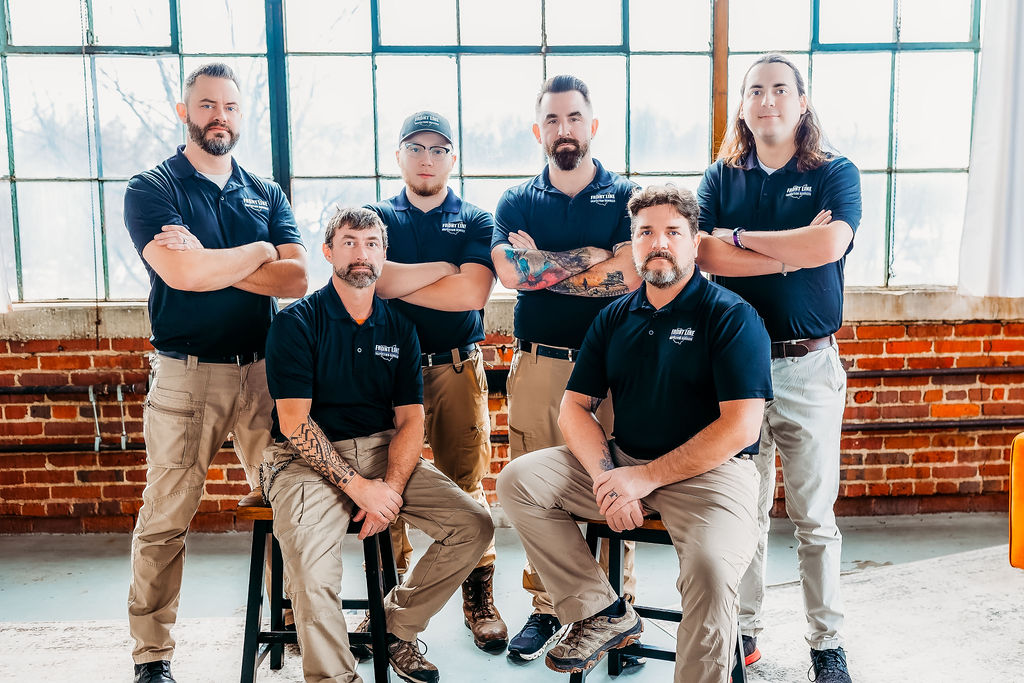
The best investors we work with don't treat the inspection as a hurdle between them and closing. They treat it as the last, cheapest chance to find out what they're actually buying. We offer investor-focused inspections across Northeast Ohio, from baseline walkthroughs to full reports with sewer scope and radon testing add-ons. If you're evaluating a property — from down the street or across the country — we're happy to be your eyes on the ground.
Keep reading: Buying a Northeast Ohio Rental From Out of State? Your Inspector Is Your Eyes on the Ground. and The Pipe You Can't See: Why Older Cleveland and Akron Homes Need a Sewer Scope.
Serving Cleveland, Akron, Canton, Medina, Strongsville, and communities throughout Northeast Ohio, our experienced inspectors deliver clarity, honesty, and timely reports so you can confidently move forward with your real estate decisions.


